
  by Skip Cohen
Building a successful business is like putting a puzzle together. Each piece represents another aspect of your relationship with your target audience and the community. No two pieces of the puzzle are the same, but they all fit together. And you need ALL of them to complete the "picture." Whether you're just starting your business, rebuilding, or trying to do a quick high-impact jumpstart, NOW is the time for planning and taking action. In photography especially, for most of you, this is the "slow season." But it's a you-snooze-you-lose scenario if you are complacent and kick back, waiting for your ship to come in! Your very best marketing tool is relationship building. Yes, you need the skills to walk the talk, and social media involvement is important, but in the end, it all comes down to relationships. So, let's hit on some dependable relationship builders:
Your goal is to be a leader in your community and demonstrate why you're everyone's best choice for the services and products you provide. What good is working to create the finest images of your career if people don't know who you are and what you stand for?
0 Comments
  by Skip Cohen
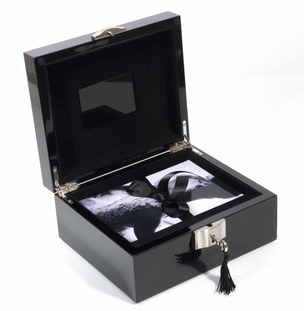
We closed the door on 2023, and most of you would like to kick back for a few weeks and chill. I get it, and that's fine if it fits your goals for the new year. But there's an opportunity coming up that, with a little planning, can be your first step into building stronger revenue for 2024. Valentine's Day is a perfect time for boudoir and family portrait artists to ramp up a little business, and NOW is the time to spread the word. But it's also important to have something going on that gets your target audience excited...
Here's my point - it's great to kick back and chill, but if you've got the skillset, a Valentine's Day promotion is low-hanging fruit. It's perfect to get back in the swing of things and remind your audience what you do for a living...you help people create and capture memories!  by Skip Cohen If you wander through the SCU archives you'll find posts covering virtually every topic in marketing. Sadly, too many of you are still pondering the meaning of life and your business. I want to take a different approach this Marketing Monday and give you another resource to build a stronger strategy for your business. If you haven't checked out everything Marathon offers, you're overdue! Yes, Marathon is a client, but I was working with them for thirty years before they became one of my sponsors. In the 90s, they printed my first co-authored book, Don Blair's Guide to Lighting and Posting Body Parts. I've been to their plant, spent time in their booth at various conventions, and worked together with their staff. I've followed their growth and expansion into offering some of the very best printed products and marketing support in the industry. It all starts with a click on the red banner at the top of their home page. From there, click on any of the drop-down windows to identify each service/product they provide.  And in terms of specific support for the holidays - their BOGO program is going on right now. NO PROFESSIONAL PHOTOGRAPHER SHOULD EVER USE A STORE-BOUGHT HOLIDAY CARD! There's still time to create your own card featuring one of your images and, on the back of the card, your contact information. And for your clients, nobody can help them create their family card better than you! Plus, with Marathon's BOGO, you can pick up additional revenue because of the savings. It's all just a click away on the banner below.  Here's the bottom line - from Bella Art Prints and Bella Albums to studio products, volume photo solutions, websites, their MAP marketing support to direct mail, and everything in between - they're ready to help. But even more impressive, and what I love most about Marathon is their ability to become your marketing department. They've got the expertise and the services/product lines to help you achieve a powerful finish to 2023 and, more importantly - set the stage to kick off the new year! And if I still need to convince you to check out everything they offer, then pick up the phone and call them yourself. You won't be disappointed!   by Skip Cohen It's Marketing Monday, and parts of today's post are from SCU's archives. However, that doesn't change their relevance. Think about it for just a second - Walmart, Amazon, most of the camera manufacturers, along with just about every retailer, all have programs in place to launch in the next 8-10 weeks. Well, the good news is - with the rush to start shopping earlier and earlier every year, that means more time for you to impact your target audience. Don't wait to start taking action! Here's a short list of things to think about to help make your presence more recognized and be a leader through the seasonality of the fourth-quarter crunch. YOU NEED TO BE PROACTIVE NOW! It's always more fun playing offense than defense. The obvious foundation to prepare for this year's holiday season is to define your marketing plans, including partnerships, etc. But here are a few less obvious things to help you fine-tune your planning.
There's a saying I heard years ago that's been modified numerous times by writers over the years. I still like this one: If you do what you've always done, you'll never get more than you ever got!
  by Skip Cohen Michele Celentano and her husband, Paul, were here in early December. We haven't all been together since before the pandemic, but that didn't stop the laughs. We've been friends for a lot of years, and with great friends, even a one-night stay-over is time to cherish. So, what happens when one of the industry's finest family photographers falls in love with your dogs? First, she threatens to steal them! When Michele wanted to photograph our girls, I figured a couple of grab shots, not a complete series. But the fun of it all was watching her work with the puppies. There's are reasons she's one of the best - her love for the craft and her ability to communicate with her subjects, whether they've got two legs or four. For all of you younger artists, there's a lesson here. Michele's skill set is extensive. While she's not a pet photographer, she understands every aspect of composition and lighting. Moreover, she's never stopped learning and fine-tuning her skill set. Lucy and Belle responded to the love they were being shown, the same as Michele's clients. When you wander through her galleries and look at her work, you can tell from the natural expressions of her subjects. It's a story of trust in the photographer combined with fun during the sitting. Here's my point: As photographers, you've got an enormous responsibility to consistently deliver the best to your clients. They're trusting you to exceed their expectations. And when that happens you become habit-forming. If you're at a convention and Michele is speaking or doing a demo on the trade show floor, run, don't walk to get a seat. She never disappoints and never compromises on the quality of what she delivers! Click on any of the images in today's post to link to her Facebook page, and then put her on your radar!  In the hierarchy of why consumers hire a professional photographer, it goes to brides, babies, and pets. That's the top three from a Kodak study at least twenty-five years ago, and I don't believe it's moved a bit. The pandemic changed the ranking slightly, but not the top three. Now, add to that the incredible growth in households with pets worldwide! Take it a step further and look at the size of the pet industry. I took a quick stroll through cyberspace, and PetKeen.com had one the most thorough sets of statistics. Click on the banner below to link to the complete article. It's the top line you need to appreciate - the global market for pets is worth $261 billion, and pet owners in the US are spending over $100 billion on the furry members of the household. But one more statistic made me smile: Americans spent an estimated $490 million on Halloween costumes for their pets! Here's the bottom line - pet photography can be an incredibly lucrative business, but don't underestimate the need for a great skill set. The standards for a great portrait and the experience of a fun sitting don't change just because the subject's got four legs! 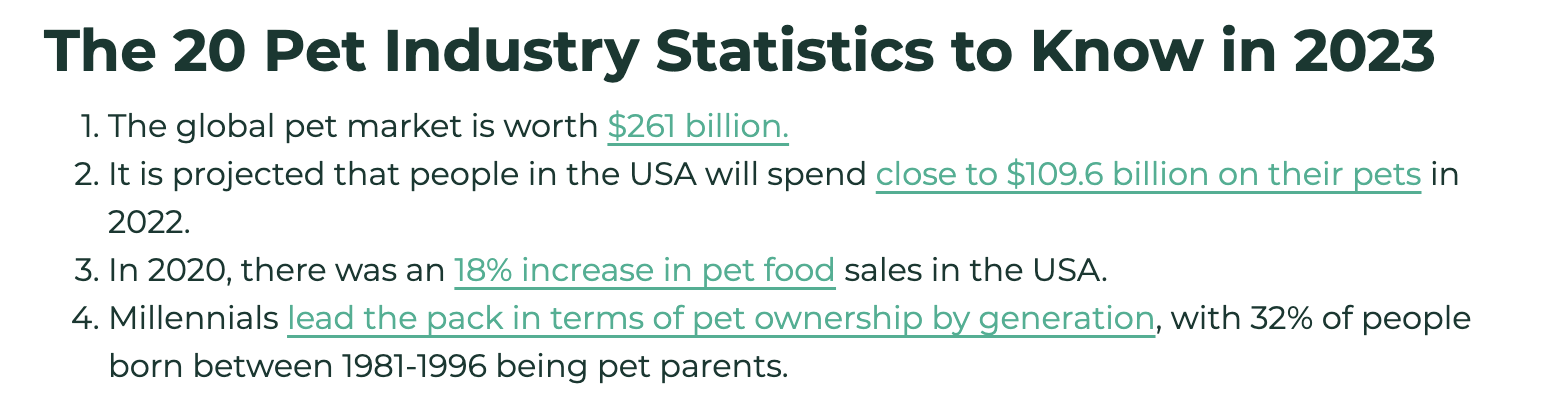 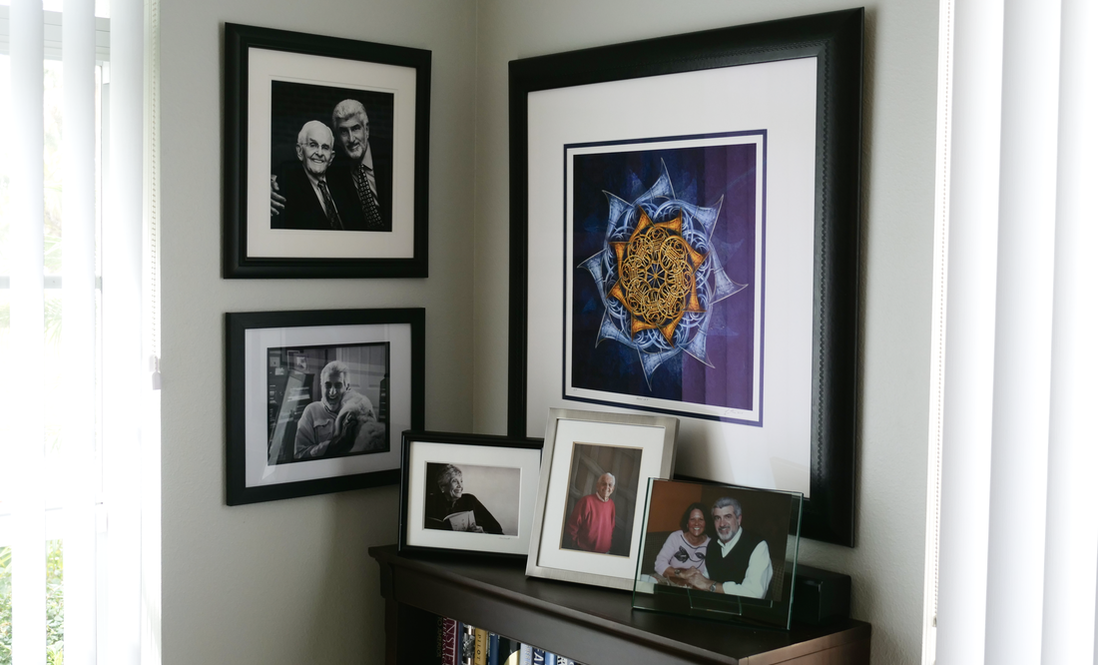 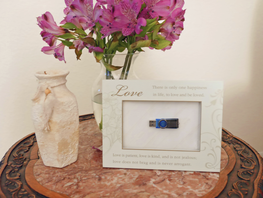 What would it be like if our memories were all on jump drives? What would it be like if our memories were all on jump drives? Intro by Skip Cohen As I've written so many times in the past, the fun of this industry is in the friendships that come out of everyone's love for the craft. Well, meet a very new friend, Cheryl Dell'Osso. Cheryl's the Director of Content Strategy at Zenfolio and the Owner/Photographer at Portraits by Cheryl and Seniors by Cheryl in Raleigh, NC. It's Marketing Monday, and with her permission, I'm sharing a post she shared a few months back with tips to help you sell more prints. Selling prints is an integral part of your business. My own home is filled with prints. Friends have commented over the years that it's like a gallery. Expanding one of the points Cheryl makes in this guest post - memories were also never meant to live solely inside your computer! They deserve to be shared and always visible. The one little corner of my office in the grab-shot above is a never-ending reminder of so many beautiful memories. And to share my most favorite quote about photographs from Jody Picoult: “This is what I like about photographs. They're proof that once, even if just for a heartbeat, everything was perfect.” by Cheryl Dell'Osso Photography is a form of art, and art was never meant to live solely inside a computer screen. Sure, your clients may be excited about getting that perfect profile-pic-worthy shot, but nothing truly brings a photograph to life like framed prints and canvases. Having beautiful prints adorning their home’s walls benefits clients by serving as constant reminders of the joy they felt on the day of their shoot, but it can be equally as beneficial for the person behind the lens. Selling photo prints can lead to a huge leap in a photographer’s revenue while simultaneously showing off their skill and professionalism to potential future clients. Plus, photo prints serve as a daily reminder of you and your services, making your clients more likely to head your way for their future photo needs. So how do you go about selling prints? The sales process should start the moment you come in contact with clients. And if your sales tactics don’t pay off right away, don’t fear. Selling prints often takes time and patience to find the best strategy that works for you. Learning to rely on e-commerce can make this process much smoother, as clients will be able to buy photo prints and related gifts directly from your website without the hassle of going back and forth about orders and pricing. Once you have your e-commerce platform set up, here are four strategies you can use to increase your photo print sales. Plant seeds before the shoot. In today’s digital world, chances are most of your clients are coming to you with the expectation of receiving an online gallery of images they can then print at their local drugstore. It’s important to change this expectation the moment you start working with them. As clients browse your portfolio, offer them examples of finished, framed photos and other products, and walk them through the benefits of having something tangible to house their memories. Show them the differences between photos that are printed on metal versus canvas so they can start to envision which products may look best in their home. Let the quality of your work be your biggest selling factor. Consider ordering photo prints from a local drugstore that you can use for a side-by-side comparison to the products you’re offering. Once clients can physically see and feel the difference in quality, it’ll be hard for them to settle for shiny drugstore prints. 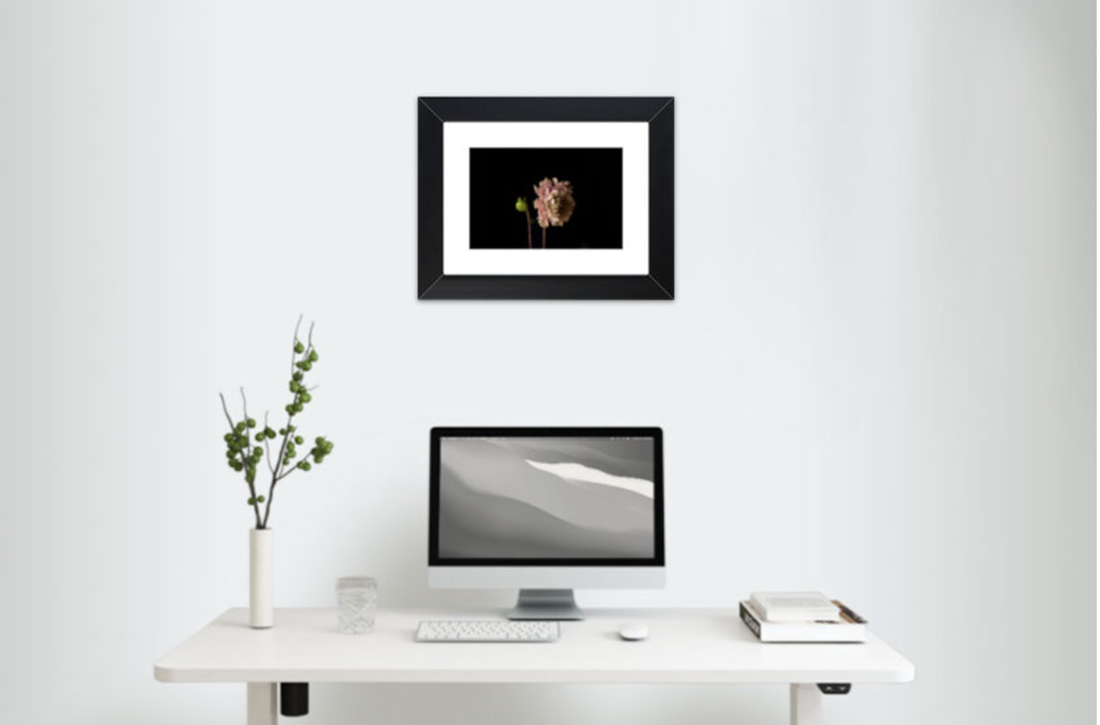 Present your work. After the shoot, it’s important to follow up on those initial seeds you planted by helping your client picture how framed prints of their new photos can be used. Photo prints can help tell your client’s story and serve as great personalized home decor. As an added bonus, their photos also make great gifts and greeting cards! Show your client examples of how your work has been used to liven up the space above a mantle or to create a gallery wall of memories. If you’re photographing families, show them a progression of photos that exhibit a child growing older. Visually seeing these milestones might spark an emotional response to picture how their own child’s aging might look and think about why it’s important to capture their child at each stage of life. The bonus of this strategy is that they can easily recreate that progression by booking you for annual portraits! On your e-commerce site, list finished products of past clients (with their permission) to show real-life examples of what other families, brides and pet owners are doing with their photo prints. You might even consider presenting a few prints from your client’s own shoot to give them something to hang onto. Create a print selling strategy. Once you’ve showcased the benefits of photo prints, it’s time to seal the deal. For this, you’ll need to create a selling strategy. The best strategy for selling photo prints will differ between photographers based on their niche and specific client base, so it’s important to figure out what approach makes the most sense for your business. For some photographers, this might mean building printed products into their overall photo packages so that ordering photo prints is the default. This can be influential for clients because they aren’t being charged extra for “add-ons” (even though the cost is being built into your session pricing). Other photographers might offer deals and discounts for buying framed or mounted images on the day of the shoot to build clients’ excitement about seeing the finished photos. This strategy can also create a sense of urgency, which is a strong selling factor regardless of industry. Another approach could be offering to mail a finished framed or mounted image to a client free of charge so they can see how it will look in their home. Then, add a price tag if they decide to keep it. Whatever your selling approach, it’s important to market the convenience of your photo print service. Remind clients about their ability to order printed products by sending a follow-up email a few weeks after the delivery of their gallery. Oftentimes, people become busy and simply forget to have their photos printed. An extra nudge could be all it takes to push them over the finish line. 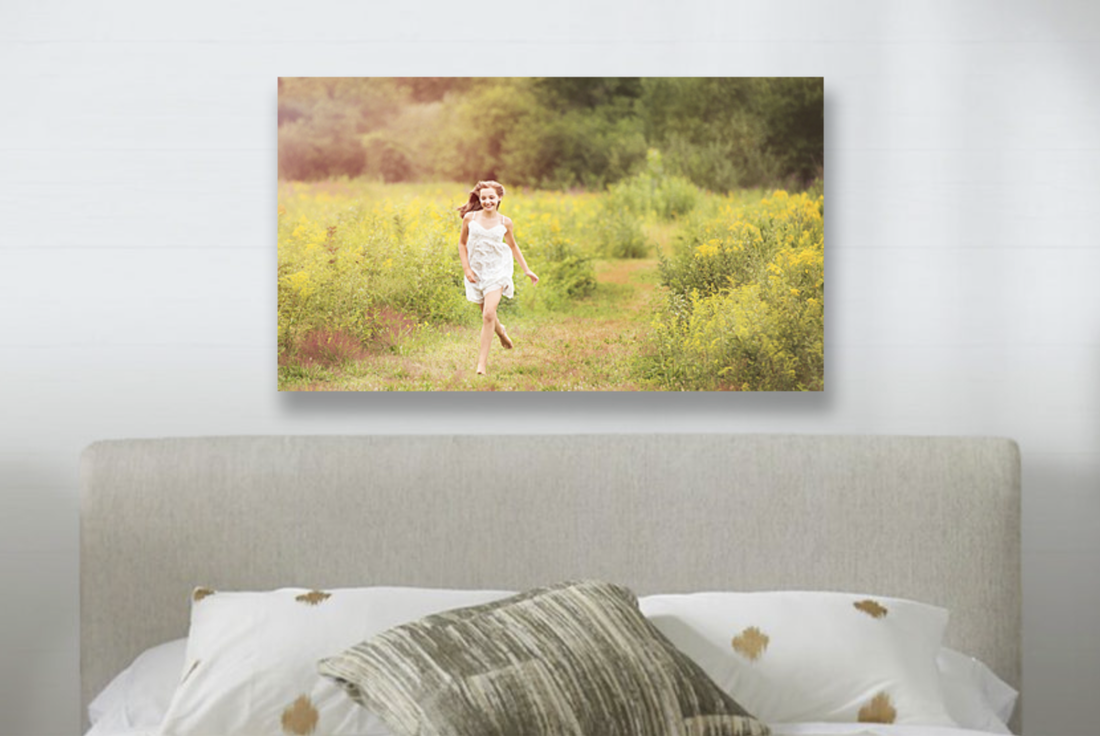 Find a professional printing source. Your clients may wonder why it’s beneficial to order their photo prints directly from their photographer instead of printing them at a drugstore. Make the answer about quality and convenience. By setting up an e-commerce platform on your site that offers multiple types of printed products, you’re creating a seamless process that allows clients to order their prints directly from their digital gallery. This saves them the hassle of having to download the photos they want printed and upload them to another site. It can also save them a trip to the drugstore, since products will be shipped directly to their door. Convenience should also be a factor on your end, so make sure you find an e-commerce platform that’s also easy for you to use. Look for a service that offers a website builder so you can more easily integrate your store and portfolio. You’ll also want to find an e-commerce service that allows you to set your price, control your markup on products, offer coupon discounts and set gallery expiration dates to increase your early print sales. Finally, consider partnering with a photo lab to print and deliver your products so that you can focus more on selling. It’s important to find a lab that offers the quality of photo prints you want your clients to receive. If you’re new to selling professional prints, or decide to change labs, it’s also a good idea to review your editing workflow. Uploading photos with the ideal file sizes and color space for your partner lab is key to beautiful prints. Other factors to look for in a photo lab include fast shipping, a wide range of product offerings and daily customer service availability in case any issues arise with your client’s order. After all, you are ultimately responsible for making sure your clients’ orders meet their expectations and arrive on time. Selling photo prints is a great way to expand your business, revenue and potentially even your client base. Finding the right sales tactics and process might take time and practice, but the payoff is far greater than the patience needed to succeed.   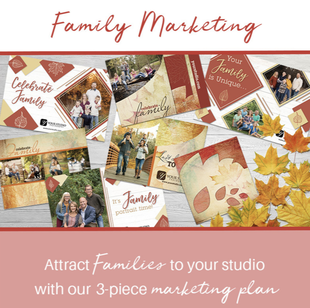 by Skip Cohen It's Marketing Monday, and I'm not sure there's a better specialty to talk about this time of year than family marketing. One of the unique things the pandemic brought to us is a renewed sense of family. Combine the increased importance of family with this year's seasonality, and you've got a perfect ingredient to help build a more substantial business and brand awareness. Obviously, you need the skillset, which goes deeper than just knowing when to click the shutter. You need to understand composition, lighting, and most importantly, you need to make working with you an experience. Beverly and Tim Walden have talked a lot about creating the experience in their workshops over the years. While the finished product is essential - it's about the subjects having fun working with you. It's about the relationship you build with the client. And remember, you're not selling a photograph but a new heirloom and a memory-maker for a unique family. So, how are you going to reach your target audience? If you haven't checked out Marathon's Family Marketing program, now is the time. In fact, it couldn't be better to help you create awareness and increase your family portrait business...NOW! Here's what I love about Marathon's program:
Don't let this year's holiday season pass you by because you missed the opportunity to plant those marketing seeds with your target audience. The fourth quarter isn't just a time for direct sales, but it also sets the stage for the "slow season," and help's you create sales right into the new year. Click on any of the illustrations in today's post to link to Marathon's Family Marketing Program, or call (800) 228.0629 to reserve your marketing area today. 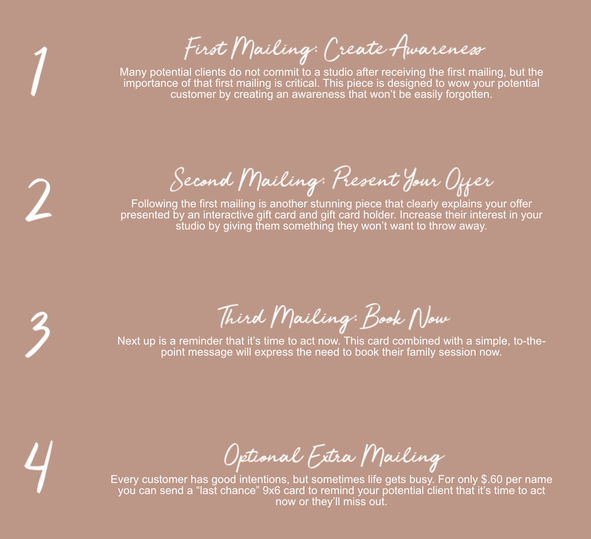 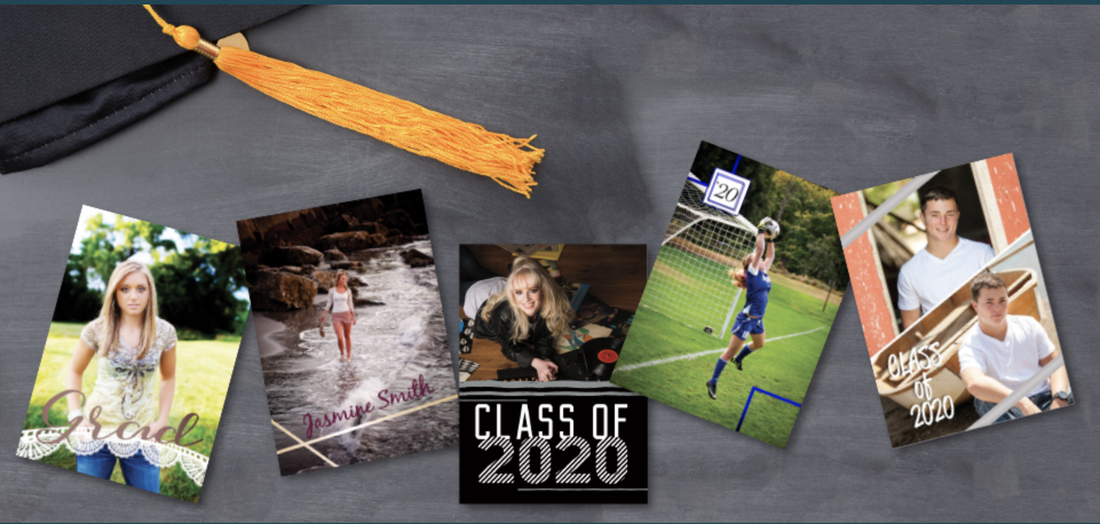 by Skip Cohen Normally by now, high school graduations would be history, but the pandemic changed all of that. All over the country, graduations have been delayed along with proms and other school-centric events. That's made the photographs you captured of this year's senior class even more valuable and important. The Class of 2020 deserves all the support we can give them, and a great looking grad card is one ingredient. Marathon Press just recently announced they're extending their BOGO offer on grad cards. That not only allows you to support your senior clients, but the BOGO reduces your costs and increases revenue. Just click on the banner below for more information and start the process of designing memory-making cards for your seniors, their families and friends.  
by Skip Cohen
A few years back, Bryan Caporicci sent me a copy of Scott Stratten's book, Unmarketing with its subtitle, "Stop marketing and start engaging!" It's one of my favorite business books, and deserves a place on every business owner's bookshelf. Nothing beats your most powerful tool to build your brand, and succeed in business than relationship building! If you've had an interest in growing your business into senior photography or your already a veteran in senior portraits and you want to build a stronger presence, it's time to check out PhotoTexting. Prime season to reach seniors is RIGHT now. And, there's little that beats a strong senior rep program because it's about relationship building with both the students and their parents — making it easier than ever is PhotoTexting, with dozens of short videos to take you through each step of the way. Combined with their programs, and customer support, for the price of a cup of coffee you can get started. It's a no-brainer. Technology keeps changing. How we communicate changes every day. Consumer trends are a nonstop moving target. From cyberspace to mobile technology, your reach as a business owner matches the power that only magazines and newspapers had just a few years ago. But the one consistent component for success in business that's never changed, and is stronger than ever today, is the importance of relationship building. In the same way, I've talked in past posts about artists today having the most creative tools in the history of photography - you've also got the most marketing tools! It's worth two minutes of your time to watch the video below and then visit PhotoTexting.com and check out all the benefits of their Senior Rep Program. Think about the new year that's fast approaching. Here's an opportunity to expand and grow with a solid goal to make 2020 your best year in business yet! 
 If only there was a button on your computer to close the sale, so many of you would be in great shape! But there isn't - so how can you better handle objections and increase your success rate?  I started Fast Food Friday with one singular goal - to get all you "right-brain creatives" thinking about what you might be missing in building your business. Most of the Friday "blue plate specials" have been short easy to implement ideas to help you fine-tune your business. They're meant to hopefully spark an idea or two on things you should be doing better. But today's post is out of the SCU archives, and I try and share it every couple of years because it's one of the best guest posts ever written about closing the sale. It's from my good buddy Scott Bourne who helped me start SCU, co-authored GoingPro, still one of the very best books about getting started in photography and who's been an inspiration to thousands of us! And while this post was last shared in 2017, you'll find Scott's current work and wisdom on his new site, Picture Methods. Think about this - What good is working hard to create the very best images of your life, if you can't lose the sale? It's not rocket science, but it does take practice learning to listen to your clients, read their reactions, and then present ideas/products they want to buy. You're part of a fantastic industry that can be incredibly rewarding financially as well as emotionally, and Scott's sharing advice so many of you need. Learn to close the sale and start building a more significant customer base and stronger revenue stream. "Without customers you don't have a business, you have a hobby!" Don Peppers and Martha Rogers You Can't Make Money if You Can't Close the Saleby Scott Bourne
My mentor in sales was Zig Ziglar. He had a motto: "ABC" i.e., "Always Be Closing." It's a known fact that the NUMBER one reason people don't get paid, hired, etc., is they either don't know how to close, forget to close or are afraid to close. Don't let the word "close" scare you. At it's most basic form it just means to ask someone "Will you hire me." Common sense right? But you'd be surprised to learn how many people make sales presentations that do NOT contain a close. It's a losing proposition. Remember that good sales skills are as important as a good camera. Sales is not a dirty word. It's how you feed your family. Zig used to say "Nothing happens until somebody sells something." So don't be afraid. Persuading people to do what they already want to do is not sleazy. It's just good business. While I can't teach you everything I know about closing the deal in a blog post, I can and will give you some starter ideas that might make this easier for you. The following suggestions assume the following:
The Assumptive Close This is a basic technique where you proceed as if you have the business. "So Mrs. Jones shall I put you down for our Gold package?" The assumptive close is the first one you should learn because it can (and often should) be combined with other sales techniques. It asks the basic question that implies or assumes the prospect wants to hire you and it very often is all you need to get hired. The Calendar Close This is another basic technique used to book an appointment. If you are "two-step" selling, meaning you first sell the appointment and THEN the job, you need to know this one. Have a diary or a calendar in your hand and ask, "Mrs. Jones would next Wednesday at one or Thursday at two be a good time to meet with my staff to solidify the details?" Show the book to the prospect. Draw their attention to a specific date and time. Keep them engaged. This works. The Minor Points Close This is less aggressive than the assumptive close, but will be a good build up to the finale. Start by asking questions like these: "Mrs. Jones of our packages, which appeals to you most; the Gold or the Silver?" or "Do you have a venue picked for the wedding? Good we're very familiar with that church and can make sure your daughter looks her best there because it's got great lighting." Minor points are a way of walking the prospect toward yes. Which is of course where we want them to go. The Shame Close This is a delicate close that needs to be practiced, but used well, can be ultra effective. This close requires set up. Using weddings again as an example, you might ask: "Mrs. Jones who is your florist? They are great, but a little on the expensive side. How about your caterer? Again great but not the cheapest. Wouldn't it be a shame to invest all that money in a great cake and a great florist, but have substandard photography to remember the event by?" This sounds cheesy, but it is important and it works. After all, most of the time, when I was shooting weddings the bride was spending more on the flowers and the catering than they wanted to spend on photography. The flowers end up in the dumpster outside the hotel and catering - well we all know that ends up in the toilet sooner or later. But the photos? They are the lifetime keepsake. We have to build value and this is a great way to do it. The Hassle Free Close There are lots of photographers looking for business. If you can make YOUR company just a little bit easier to deal with than the next person, you might just get the business. Hence the hassle free close. There are some setup items with this close too. Make sure you accept EVERY reasonable form of payment. Make sure your business hours are convenient for your prospects - not for you. Make sure you are easy to find and easy to follow up with. But then, move in with the final step: "Mrs. Jones we've talked about the services we offer, you've agreed that you like our work. We've met with your lovely daughter and we fell in love with her. All that's left is to sign the contract and book the date. I've prepared the document here, all you need to do is sign here and arrange payment and we're all set." Making this seem like the natural thing to do, i.e. hire a photographer is part of the hassle free close. And you might note that some or all of these could be combined with the first close I mentioned, the Assumptive Close. Some of you are reading this and it makes you uncomfortable. To you I say hire someone to do this for you or prepare to starve. Sales are important. Without a sale there is no business; no need for a camera or a studio or anything else. You have to have the tools necessary to do the sales part of the business if you want to succeed. And these closes are simple tools. No different than a flash diffuser or a reflector. They are all intended to make the final result a positive one. Don't be ashamed to be a great sales person. If your heart is in the right place you need to know one last thing. Sales isn't something that you do TO someone - it's something that you do FOR someone. Now go get the business. Skip and I are rooting for you. Remember, objections are buying signals and when you start dealing with objections you are already starting the closing process, so be glad if you get an objection. It means the prospect is paying attention and is interested. Illustration Credit: © Dmitry  Images copyright Todd Nichols Photography - All rights reserved. The real fun of social media comes with those moments where the true "social" side comes into play. Meet two new friends, Julie and Todd Nichols from Boise, Idaho. Todd and I have exchanged a couple of Facebook IMs over the years, starting with a couple of WPPI questions shortly after I left the company. Earlier this month we caught up with each other on Facebook, which morphed into my favorite mode of communication, picking up the phone and calling them. After wandering through their galleries, I loved a lot of their wedding images and put in a request for a guest post, and here we are! Julie pulled something together and it's the perfect topic. At a time when so many artists are struggling with business, Todd and Julie continue to build significant brand awareness and a strong client base. Why? Because they not only deliver but exceed expectations and have made themselves habit-forming! Their clients feel special, as if they were Todd and Julie's only customers. In the guest post below, Julie's shared the not-so-secret ingredient of their success, but spend two minutes on the phone with either of them, and you'll understand the other elements - passion, pride, attitude and above all an energy in their spirit that's nonstop - they LOVE this stuff! To see more of their work and get to know them, click on any of the three images with this post. And a BIG thanks to Julie for taking the time to join us on SCU with a guest post. 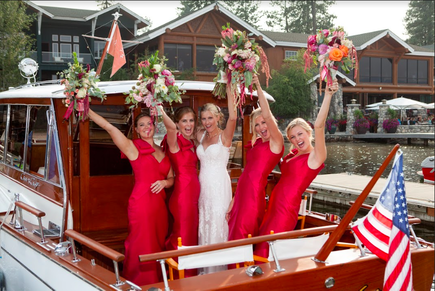 by Julie Nichols How the client feels about themselves when they interact with us is as important as the product we deliver. Photography is not a rational business, it’s an emotional business. It won't come as a surprise then that so much of a successful photography business has nothing to do with the actual technical aspect of taking a picture. I'm not discounting the value of knowing our camera and how to compose and use light to enhance our subject. Yes, those things are important, but it’s just as much about how our clients feel about themselves when they interact with us. While creating beautiful imagery is what may first attract our potential client to us, it's everything that follows that grows our business. When a client reaches out to us it's a BIG deal, every time. We listen carefully to what they want, are afraid of, or what's causing them anxiety. Then we respond confidently as an expert empathetic problem solver. Our client wants to feel they can trust us to handle their situation, family, event, whatever it is...and they will pay more for "white glove" customer service, peace of mind and how we make them feel. Here’s an example: We met a bride at a bridal show who followed up with us to set up a consult. She didn't show much enthusiasm or emotion when she visited us at the show. When she, her mother and sister showed up for the consult it was the same vibe - little enthusiasm or emotion. I wasn't feeling very optimistic about this person being our type of client. As we proceeded to find out more about what was important for her, her mother and sister jumped in and mentioned her Grandmother who had recently passed away. The client then told us, with tears in her eyes, about a special piece of jewelry she wanted to include in her shoot that had been given to her by her Grandmother. When we responded with, "Oh my gosh, yes! Of course, Grandmother's are special - we would love to capture that for you!" Her whole attitude changed. She felt understood and affirmed. She and her mother ended up booking our top collection and walking out hugging us, wiping tears away. It was about how we made them feel. Sure, they loved our imagery but the close for the sale happened when they saw WE understood how important the memory of their grandmother was in their images. When we deliver top quality imagery in a manner that lets our clients know we adore them all the way through the process, we have done our job well and have a happy customer. This shows in the word-of-mouth referrals and our repeat clients. Relationship building and trust are simple ingredients to incorporate into your business. It costs you nothing, but has a fabulous return on investment. 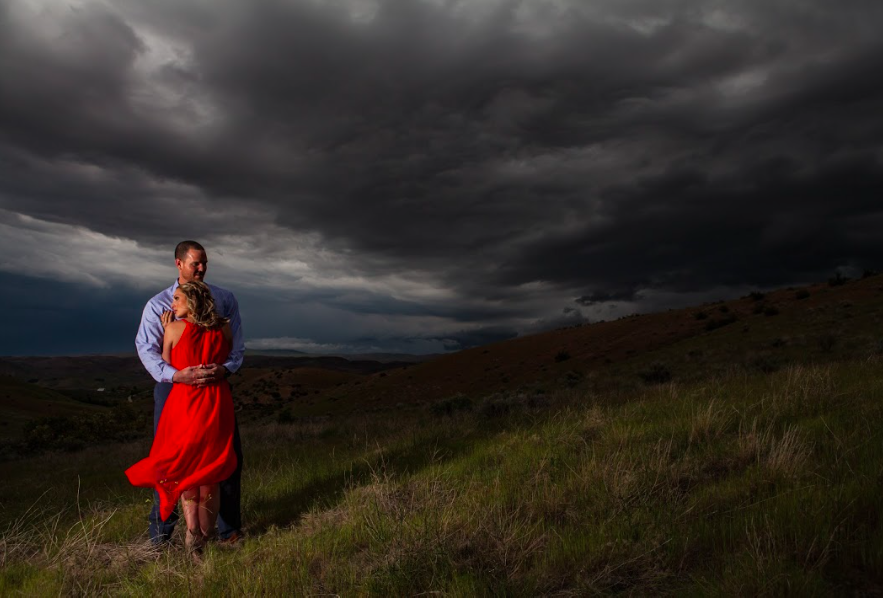 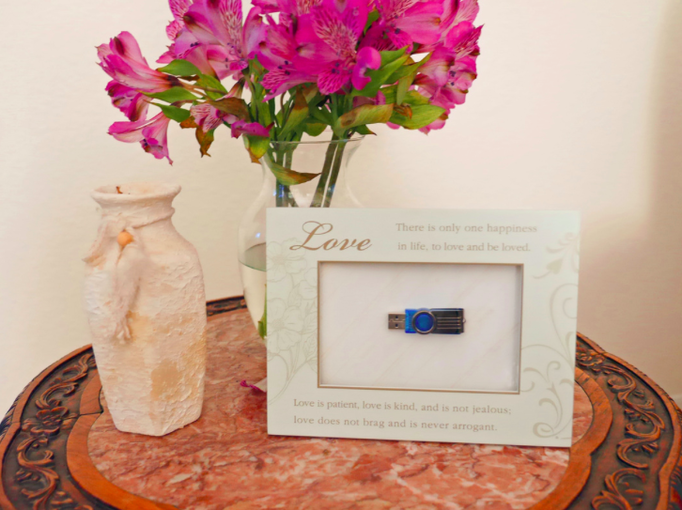 Intro by Skip Cohen Note: When I posted this earlier today, I really hadn't thought about how much the market has changed since Michele first wrote "I Believe." I also hadn't thought about the fact that she's a family portrait artist versus other specialties. And, while I still agree with her approach, you have to look at what components work best for you. Kevin York, is primarily a wedding photographer in the Philly area and did an outstanding job on Facebook Wedding Photographers in commenting on what would happen if he took a hardline approach to "prints only" with his clients. So, besides a big thanks to Kevin - here's my point - you have to go with what works best for your target audience and use the components of Michele's philosophy that best apply. As the busy season starts to ramp up, this is the perfect Marketing Monday post and needed by so many of you. I've shared this several times over the past few years but listening to many of you lately; it's important to post it again! Michele Celentano is one of the finest family portrait artists in our industry, but it's not just because of her skill set as an artist or educator - it's because of her passion and her ability to walk the talk! She wrote "I Believe" several years ago and offered it to the industry to plagiarize away, reprint and share it with your clients. We live in an instant fulfillment world, but it's up to you to help your client understand a great portrait is a family heirloom and goes well beyond the "importance" of a Facebook page and Internet sharing. A well-done portrait deserves the very best presentation, and that means it needs to be printed. So, take the time to read Michele's "I Believe" and then plagiarize to your heart's content! by Michele Celentano I believe in photography - but more than that I believe in photographs. Printed photographs are tangible. We can hold on to them, pass them around, frame them and hang them on a wall. We can make albums to be treasured and looked through by children for years to come.
We can’t touch a file and the truth is we don’t know the longevity of a file or if we will even be able to find it someday. A digital file is a bit of a mystery - if it’s lost, where did it go. If a drive is damaged what happens to the files? How many people truly back up all their images? What happened to disc cameras, eight track tapes, Walkman's and other technology we thought would last forever? What will our children be looking at in 20 or 30 years? Photographs are special - files are not! I believe in printing my work professionally. I believe my work is more than a screen saver. Years of studying and perfecting my craft comes down to more than sending files via the internet. The photographs I create for my clients are not only precious to my clients but they are precious to me. It is my work, a lifetime of work that deserves to be printed. Photographs are passed on to children and grandchildren. Can you imagine a floppy disk, a DVD or a flash drive sitting in a frame representing your family portraits? Like many photographers I have struggled with bending to the needs or wants of a clientele that is looking for files. But this is what I discovered over the last year - It makes me uncomfortable in the center of my gut to hand over digital files no matter the price. Clients have told me that the DVD is still sitting on a desk and they should have had me make the prints in the first place because they never have time to get to it. I wonder about those files that were sold.... How were they printed? Did the client crop it too tight? Is the color correct? Did they attempt to alter the image? It troubles me because I put so much of myself into my work. And, I have to wonder... am I really acting as a professional and serving my client the best way I know how to by simply selling intangible files that may never be printed? For some, it’s easy.... take some photos, edit them, burn them on a disk or flash-drive and make a few bucks. I don’t and can’t operate that way - I care too much about my work, my clients and future generations that might have no photographs because I wanted to make fast and easy money selling files. I’m taking a stand! I am a photographer! I am without a doubt passionate about creating photographs - real pictures - printed on professional papers - and made into beautiful albums. I want your children, their children, my children and future grandchildren looking at and holding onto photographs not the latest greatest gadget. It has taken deep soul searching, a lot of thought and time to define the value of my work. I am taking a stand against selling files and taking a strong stand for printing my photographs. If being a business owner and photographer today means the current market will force me to sell files not photographs and to compromise my work and my values - well then, I’m out. But, that won’t happen! I know it won’t because I know there are people and clients who value my work, understand and respect the value I have placed on my work and actually want photographs. I am Michele Celentano , a professional photographer - I believe in and value photography and the images we leave for our children. My work and your portraits will be professionally printed to my standards, they will be available to frame and look at in albums... The portraits I create for you will not become a part of your screen saver slide show. I have worked too hard and taken too much pride in my work for that to happen. I will not take the risk that in 20 years we will be a generation of lost photographs. There I stand!  © Teodor Lazarev 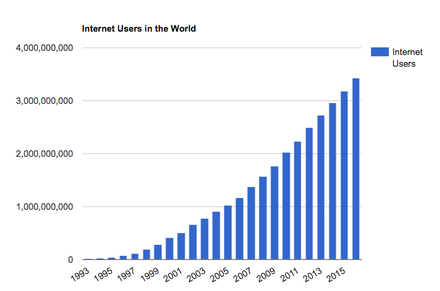 Over the years I've had some fun with the topic of customer retention, but from the sarcastic side of life. I first shared this concept a few years ago, but it's time to update my list! I'm back with more ways to lose customers. Sadly, there's nothing on my list I haven't seen happen over the years. People really do this stuff. The good news is how easy it is to make changes. It takes time and consistency, but if you need to clean up your act a little, it's the "slow season" and what better time to start than right now?
Forty percent of the world's population is on the Internet. In the United States alone we're at eight-nine percent with just under three million Internet active households. And, if you want to check out other countries just click on the graph to the right. Here's my point - every consumer has incredible reach today. That means for many of them they have the ability to influence thousands of people with just one post or tweet. You'll never be able to please everybody, but you can build a reputation that exceeds client expectations. Make yourself habit-forming! Be an artist who your clients not only love working with but insist their friends get to know as well. Don't be afraid to show your passion for the craft, capturing memories and your clients. Be an artist who cares. Your customer doesn’t care how much you know until they know how much you care.
Damon Richards  © Stephen Coburn Intro by Skip Cohen My good buddy Scott Bourne wrote this for the launch of SCU four years ago. Reading through it this morning, it couldn't be more valid. Although a piece of Scott's approach in this post is more commercial/fine art in nature, the foundation for pricing is the same. I wish I could get every photographer to read this, regardless of their specialty. It's time for so many of you to stop waiting for the "Profit Fairy" to sprinkle her magic dust on your business. The truth is, improving profitability is relatively easy, but you have to take the time to think it through, starting with your goals. Pricing is the "Achille's Heel" for so many of you. You price things based on what you think they're worth without any regard to your actual costs. To paraphrase something Sal Cincotta once said, "Nothing can screw up your business more than bad pricing!" And here's one more gem from an industry leader. Denis Reggie made this comment in a workshop at least twenty years ago, and I never forgot it: "Don't price your work on what you can afford. It was years before I could afford myself!" It's a new year and in 2017 let's get your business on the right track and start paying attention to pricing and your bottom line. Your top line (gross sales) is meaningless because it's not how much you make, but how much you keep. And, unless your goal is to become a formal 501c3 non-profit, making money isn't something to be ashamed about. This is the first business day of the new year, and for many of you, it's still part of the holiday weekend. Take the time to think about your business and the importance of profitability. Let's get you out of macaroni & cheese every night and into a steak now and then! By Scott Bourne
Pricing photography is the second hardest thing you will ever do as a professional photographer. (Finding the right clients is the first hardest.) It’s very easy to make mistakes when pricing and once they’re made, it’s hard to recover from them. So start out right. One disclaimer: Not every pricing method works for every photographer. Much depends on the current state of the market and the genre (i.e., wedding, commercial, fine art, food, etc.) I’ll try to stick to some universal ideas in these posts. Start at the Beginning: You can’t effectively price your work until you understand what it is you’re selling. You are not selling square inches of paper for the cost of printing them. For some reason, the first element that seems to enter some photographers’ minds when making a pricing decision is the size of the print. This “brick wall” has cost many photographers money. The most important thing to keep in mind is the value of your work, not the size of the print. You build this value by evaluating ALL the factors that go into making a salable image. So what are you selling? How about your creativity and unique ability to capture something that others do not see? Anyone can buy a camera, but can they capture the image exactly the way you do? How about the time you have invested in training for the moment when you captured the image? That time needs to be taken into consideration. Your mechanic, doctor, accountant, and lawyer all get paid for the time they spend doing the work. Shouldn’t you be paid too? You also have to consider the level of your present technical ability. The casual amateur should not be able to get the most out of the same equipment as an experienced professional. And speaking of equipment, you must also take into consideration the value of your gear. So, as you are deciding how to price your work, make sure you take into account and charge for your logistical skills, experience, time and your ability to translate your client’s desires into a visual statement. Know what you’re selling before you try to sell it. This will help you avoid many mistakes later. Pricing Economics: In order to price something well, you must know the economics. Here are some key things to keep in mind: A) Overhead B) Profit margin C) The market you are serving Calculating your overhead requires that you consider all the costs that are associated with being a professional photographer. This includes: A) Equipment depreciation B) Insurance C) Rent D) Licenses E) Legal fees F) Accounting fees G) Payroll fees H) Salaries U) Taxes J) Utilities K) Production L) Repairs M) Printing N) Postage O) Office supplies P) Subscriptions Q) Professional dues R) Advertising/marketing S) Transportation/shipping T) Travel Calculating your profit may be a bit easier. You consider your cost of doing business by allowing for a percentage of your overhead to be applied to the cost of each job. From there, mark up your price to include a standard profit margin. This can be based on any number you want but a good starting point is to double the cost of your product (100 percent profit margin). Now you also need to adjust this figure based on the market type you are serving. Is the image being used in a small or large market? Will thousands of people see it or just a few? What is the perceived value to the client? How does the client plan to use your image? Who is your competition and what choices does your client have besides you for this type of image? Are there 50 photographers in the mix or only two or three? Consider these factors to calculate your fee. When you sell or license an image, it is likely that you will have to negotiate the price with a savvy photo buyer. Knowing how to negotiate can save you time, money and help you close profitable deals. Remember that negotiating is just problem solving. Both parties have something they need to accomplish and the negotiation makes it happen. You must not take ANY of the issues that arise during a negotiation personally. The buyer is supposed to try to get the best deal that he or she can. That’s their job. Your job is the same. The essential steps in the negotiating process are: establish rapport, gather information, do research, ask questions, and let the buyer do most of the talking. In any negotiation, the person who listens most is likely to gain more. In any negotiation, it’s always very important that you do more listening than talking. Otherwise, you will miss important clues, both physical and verbal, that will help you resolve the deal. Before quoting a price, you must try to educate the client and build the value of the image you are selling. Make sure that the client understands the effort, time and expense you invested to make this image. If the image is truly one-of-a-kind or was made at personal risk, those factors translate directly into the value of what you have for sale. Try to encourage the client to place an opening bid. If the buyer is the first one to name a price, I believe you will be rewarded with a higher fee. A good way to open the negotiation process is to ask a question like, “What’s the most you would be willing to pay to use my image or purchase my print?” If you are forced to begin the negotiation process by offering a figure, an alternative is to begin with a number that is twice your standard price plus 10 percent. Once this figure is given, you can work down from there. But remember, if you give a number first, you run the risk of quoting a price that is much lower than the buyer was willing to pay, and you’ll never know what figure they were willing to pay. So, let your clients do the talking. Then, you should listen, take notes, and preferably wait for them to tell you what they can afford. If the client has pricing objections, be sure to return to the rapport building and value enhancement stages outlined above. Usually, a price objection really means that there is another piece of information you have not uncovered. It is likely that there is something else you have not offered that the client really wants or needs. This is why it’s crucial to listen more than you talk and ask plenty of questions to uncover hidden needs. Once you have taken all the necessary steps, be sure to ask for the order. A surprising number of photographic sales don’t happen simply because the seller has forgotten to ask for the sale. (NOTE: Negotiating with magazines is not possible unless you are a famous photographer with images that are in great demand. When you approach magazines, understand that you will only get paid their standard rates.)  © trekandphoto - Fotolia.com The other day I wrote a post about pricing, one of the biggest challenges for new and seasoned photographers alike. No matter what your pricing strategy, you still have to close the sale. It's a difficult process for so many artists. What good is working so hard to create the greatest images of your career if you can't close the sale? "No Sale" is just about the worst news a photographer wants to hear when working to do just the opposite. In the three videos below, Sal Cincotta, Lori Nordstrom and Taylor Cincotta all hit on various aspects of selling. In all honesty, it's not rocket science, but so many photographers lack the confidence when it comes to making sure the consumer understands the value of what they're purchasing. "Price is what you pay...Value is what you get!" Warren Buffet One of the biggest challenges for photographers, which I see over and over again, is the artist's failure to establish value. There's no such thing as just a picture, because if you've done your job, a picture is a frozen moment in time, a memory and great pictures really are worth a thousand words. Even a wedding album isn't a book of images, but the first family heirloom of a brand new family! Sal's program is part of Creative Live's educational series, while Lori Nordstrom's and Taylor Cincotta's are part of Shutter Magazine. Both Creative Live and Shutter Magazine need to be on your radar and under each video you've got access to both. 
© vicky - Fotolia.com
Normally you'd expect the challenge with pricing to be the biggest issue with photographers who are just starting out. Unfortunately, it comes up with almost as many seasoned veterans when they're about to do something new or thinking about raising their prices. The idea to do a post on the topic is all thanks to a few new members of the GoingPro group. The question on pricing repeatedly comes up, so it's a great time to keep everybody focused on a topic so seriously related to revenue/income. It's even more important when you consider we're heading into the seasonality of the fourth quarter and opportunities to better support your profitability. It starts with the very first easy to understand challenge - consideration for everything it took for you to become a professional photographer. It kills me when I hear new photographers excited, because they can get an 8x10 from their lab that's relatively inexpensive. Then they get excited about what they think is a big profit margin, putting it out there at $24.95! Sadly here's a sampling of everything they forgot to include in the cost of that print:
And last on the list, let's not forget about the value of your time. I remember years ago Bambi Cantrell talking about the value of her time to give up her weekend with her family to photograph a wedding. All of you pay a serious price for your passion to be an artist, especially when it comes to being a wedding photographer. I don't want to spend a lot more time talking about pricing when there are three terrific resources out there already. Just click on any one of the three banners below and you've got access to Bryan Caporicci's guest post a few months ago, Sal Cincotta's video on pricing, and David Ziser's explanation from his blog, Digital Pro Talk. 
Bryan Caporicci
Sal Cincotta

David Ziser
This year's program has some of the finest photographers and presentations we've ever assembled for a workshop! by Skip Cohen
For the past four summers we've done Skip's Summer School and each year it's become even better than anticipated, That result is NOT because of anything I've done. It's thanks to the input from hundreds of photographers who have attended these programs, vendors who have supported us, and incredible photo educators who love their students. We've also listened very carefully to the attendee feedback after each program. As a result, this year we've brought in some new instructors, expanded the quality of platform programs and added a few new events. So here's the list of why you should join us in August for SCU's Summer Session...
So, here's the bottom line. This program has been recognized as one of the best workshops in the country. It's changed people's lives. It's expanded their network, helped them grow as photographers and grown their businesses. Summer Session doesn't just end when you go home. In the months following each program, year after year, along with members of the faculty, we're here to help on a wide variety of challenges. Whenever a photographer hits a dead end we try and help. Just check out the 300+ people involved in Skip's Summer School on Facebook and you'll see what I mean. We're looking forward to seeing you in Chicago! by Skip Cohen With every program since I started my new company four years ago, I've never "shotgunned" the market looking for sponsors or partners. I've always been very selective, wanting to support my readers and attendees at programs like Skip's Summer School and now SCU's Summer Session with great products and the support I know would come from good solid partners. Meet a relatively new partner who we met at WPPI, Venice Album. My wife, Sheila, fell in love with several of their albums and both of us spent a lot of time with some of the staff. Since then they've come on board as SCU's partner in the album category and thanks to Skype, the world has become a much smaller place! I've spent time with their marketing team, customer service staff and US sales team and I couldn't more proud to have a partner with quality products to set you apart from the competition.  Venice Album might be relatively new to the US market, but after forty-five years in business, they're not new to the needs of wedding and portrait photographers to have quality craftsmanship and great service. They've put together two different programs, giving you a chance to take them out for a "test drive". First, use "SCU70" at checkout and receive a 70% discount* on a sample studio set. You need great samples to capture business and nothing works better than showing a finished album with fine craftsmanship to make your point with a possible client.  Second, they're so confident that you'll like what you see, they've added a second level discount on your first order. Use SCU50 at checkout and you'll save 50%*. Venice Album is giving you two different ways to "test drive" their performance with a great discount on a sample studio set and then helping add profit to your bottom line with a huge savings on your first order. Right after WPPI I published a post about the trade show. Even then we were impressed with everything Venice Album had shown us. And if you're still skeptical, take a trip to their partner page and watch the video from their factory. There's something special about the pride in workmanship that comes out in this short film. Special SCU Summer Session Attendee Bonus  Here's one more special offer exclusive for this year's SCU Summer Session attendees. When you register for this year's Summer Session, you'll receive a short form to set up your Venice Album account. The minute you're fully registered you'll receive a $200 credit* on your Venice Album account. This gives attendees an exclusive benefit and a substantial savings and it's good until the end of the year. Remember one of SCU's primary goals - we want you to THRIVE, not just survive as a professional photographer. * Please note: These special offers cannot be combined. The $200 credit on your account can only be used towards future purchases and does not have a cash-in value. All programs are applicable to Venice Album's entire product line. Both the 70% sample set discount and 50% first order discount are good until August 31. The SCU Summer Session attendee program is good through the end of the year and is under exclusive control and ownership by Venice Album.
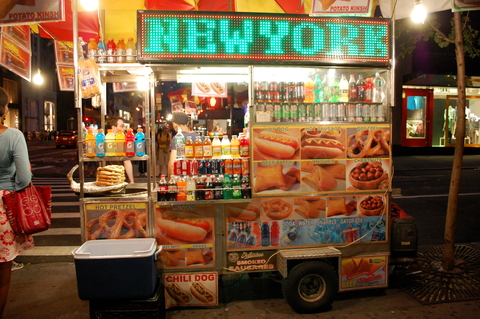
You'll find me right here at least once on every trip to New York!
by Skip Cohen
Every year or so I run a similar spin to this story. It's something my good buddy Jim Morton found years ago when we were at Hasselblad "dealing with a tough economy". At least that's what we thought at the time. It's so relevant and it's become one of my favorite business anecdotes. So, as we wrap up the first quarter of the year and many photographers start to come out of hibernation, it'll definitely give you things to think about! Challenges in technology and the economy are touching everybody. Just when we thought "Uncle Harry", who’s at every wedding with his high-end digital SLR, was under control, the economy threw us a curve ball, and now 20-year old scotch and 91 octane are the same price. (Actually, who even uses 91 octane anymore?) So what’s the key to surviving as a professional photographer in 2013? At the risk of being overly anecdotal, there was a great story put in circulation by the advertising community in the early '90s. I’ll save you from the long, original version and summarize: A very successful hot dog vendor is hitting record sales. He’s advertising, cross-promoting, staying open longer each day and business is fantastic. His son comes home from college for the summer and says, “Dad, don’t you know we’re in a recession? You need to watch your spending and be ready for business to slow down.” The father, concerned, stays awake all that night worrying about what his son has said. The following day he pulls down a lot of his signs and puts the money he would have spent on advertising and promoting in the bank. By the end of the month, business is terrible and all he can say to himself is, “Wow, it’s a good thing I listened to my son. There really is a recession.” I’m not minimizing the challenges of today’s economy, but I’m frustrated with hearing photographers cry the blues when they haven’t made an effort to evaluate and restructure their current business model. Those photographers whose businesses were solid last year did new things to reach their audience. Nobody is working any less, just smarter. Every photographer who has told me they're doing okay always follows with, "But I've NEVER worked so hard in my life!" There is no secret to surviving as a professional photographer today—survival is all about marketing, promotion, hard work and utilizing every aspect of new technology. But there are some aspects of running a photography business that everyone needs to make a decision about... Diversification: Are you hitting the same old target or developing new markets? If you’re a wedding photographer, how many of your brides in the last few years now have children? If they loved the wedding album you created, how about photographing their young family? If you really don't want to stray from your core business then at least develop a relationship with a children and family photographer and then cross-promote with each other. Years ago—sorry I don’t remember where—there were statistics suggesting that 95% of brides under 30 have a baby within three years of their wedding date. Every bride you’ve ever photographed is a potential customer for family portraiture. The demand for professional portraiture still runs in this order: brides, babies and then pets. So if business is down, take a look at your client database and find opportunities to create new clients or new applications. Market and Promote: Our hot dog man, in an effort to stave off the recession, stopped reminding people he was there. What are you doing to promote yourself? Are you involved in the community? Are you advertising in local papers? Do people recognize your presence? Do you own your own zip code? Years ago, one of the country's leading senior photographers, Larry Peters, told me about one of his best marketing tools. At the time, he was photographing a half dozen seniors each year at no charge. They, in turn, became his ambassadors and helped spread the word among the various high schools in his area. Today there are ambassador programs all over the place, because they work, but the concept doesn't have to be exclusive to senior photography. Well known pro David Ziser, in a program also many years ago, talked about tracking anniversary dates of his clients and did a first anniversary sitting at no charge. Think about it...the younger the bride, the more friends she has who will soon be getting married—it’s a publicity manager’s dream! The Internet and Social Media: You can’t be in business without a website, but how about the message you’re presenting? Look at blogs, for example. Everybody wants to have a blog, but only a handful of photographers are doing it the right way. The key to a successful venture into social media has so many facets, but two that are critical are relevant content and consistency. Check out yesterday's post from Scott Bourne on ten tips for making blogging, podcasting and tweeting more effective. If you're going to do it, at least do it right. Attitude: When was the last time you did an attitude check on yourself? I am reminded of the unspoken oath we all took when we fell in love with photography! That oath, we all share, is about quality, service and responsibility. It's everything I've been writing about since my first blog post almost four years ago. Your clients trust you to be their eyes at a wedding. At a portrait sitting they're trusting you to see them the way they see themselves. They're trusting you to deliver a product far better than Uncle Harry could ever dream of! Think about how much you love the craft and all the excitement in our industry today. I’ll go anecdotal one last time—we’re living in our own version of Who Moved My Cheese? It’s a business parable that was on The New York Times Best Seller List in the late 1990s and well worth a two hour investment of time to read. If you’ve read it, you’ll understand that the only thing that’s changed in our industry is that the “cheese has been moved,” and we simply have to work harder to find it! Photo Credit: © Julie Feinstein | Dreamstime.com 
Make it easy for visitors to your site to find the information you feel is most important. For a photographer it has to start with your galleries.
by Skip Cohen
How much time and money have you invested in your website? Let’s assume you love it and it’s doing everything you want it to do. Assuming everything is wonderful in your Internet world how many clicks does it take for a visitor to get to the most relevant information on your website? If it’s any more than two, then you might be missing the boat and losing opportunities. Don’t make your visitors mine through your site to find what’s most important. They may not break out in a sweat, but navigating through your website shouldn’t be aerobic! As a photographer, grab your visitors with images first and your bio, background, contact information, pricing etc. later. Looking for what's most relevant on some websites is like trying to talk to a live body at Comcast! And when you do finally get a live body, it’s rarely somebody who can help you. Your website is your storefront. It's an introduction to your business and especially your images! What good is building up the greatest content in the world if people have to work to find it? Illustration Credit: © Amaviael | Stock Free Images & Dreamstime Stock Photos |






Our Partners





"Why?"Check out "Why?" one of the most popular features on the SCU Blog. It's a very simple concept - one image, one artist and one short sound bite. Each artist shares what makes the image one of their most favorite. We're over 100 artists featured since the project started. Click on the link above and you can scroll through all of the episodes to date.
Categories
All
|















 RSS Feed
© 2019 Skip Cohen University